
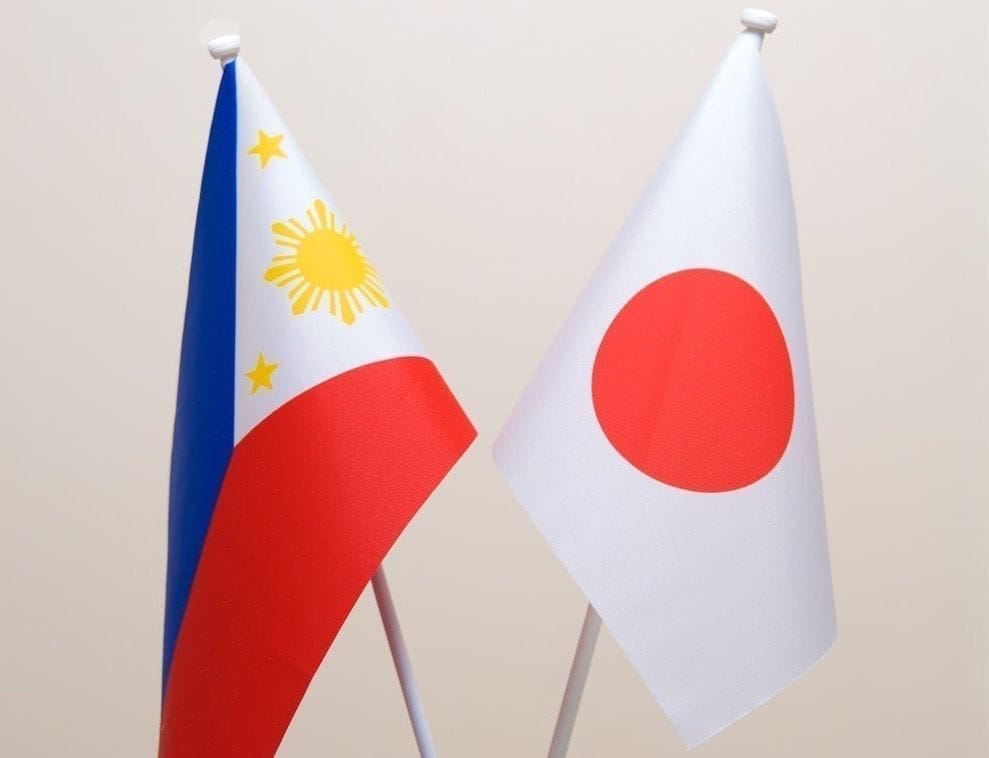
MANILA – The Philippine government has tapped a ¥10 billion (about 3.7 billion pesos) disaster standby loan from Japan to fund response, recovery and rehabilitation efforts following widespread damage caused by Typhoon Tino, internationally known as Kalmaegi.
The Department of Finance requested the disbursement after a state of national calamity was declared due to the typhoon’s severe impact. The funds come from the third phase of the Post-Disaster Standby Loan (PDSL3), extended by the Japan International Cooperation Agency (JICA).
The PDSL is a pre-arranged financing facility designed to give the Philippine government rapid access to funds after major disasters, helping it meet urgent spending needs and manage fiscal pressure during crises.
The Philippines is one of the world’s most disaster-prone countries, regularly hit by typhoons, earthquakes and volcanic eruptions that place heavy demands on government resources and disrupt essential services.
Typhoon Tino struck multiple parts of the country in November 2025, bringing heavy rainfall, flooding and landslides that affected hundreds of thousands of families across several regions, according to consolidated reports from the National Disaster Risk Reduction and Management Council.
“By making critical funds available, the PDSL3 enables the Philippine government to sustain response operations, ensure the continuity of vital public services, and transition into early recovery and reconstruction,” JICA Chief Representative Takashi Baba said.
The current facility is part of a ¥30 billion loan agreement signed in August 2023 to support quick recovery following natural disasters. It is the latest in a series of Japan-backed standby financing arrangements for the Philippines.
The first phase of the PDSL was activated in 2013 after Super Typhoon Yolanda, one of the most destructive storms in Philippine history, to provide urgent budgetary support for relief and rebuilding. A second phase was disbursed in 2020 as the government faced fiscal strain from the COVID-19 pandemic alongside other natural disasters.
Apart from the standby loan, JICA also provided emergency relief goods in October to families affected by a magnitude 6.9 earthquake that struck Cebu on Sept. 30, with assistance coursed through the Department of Social Welfare and Development.
Japan is one of the Philippines’ key development partners, supporting infrastructure, disaster risk reduction and emergency response efforts through loans, grants and technical assistance. - FJJ, JICA PR