
Words by Florenda Corpuz
Photos by Din Eugenio
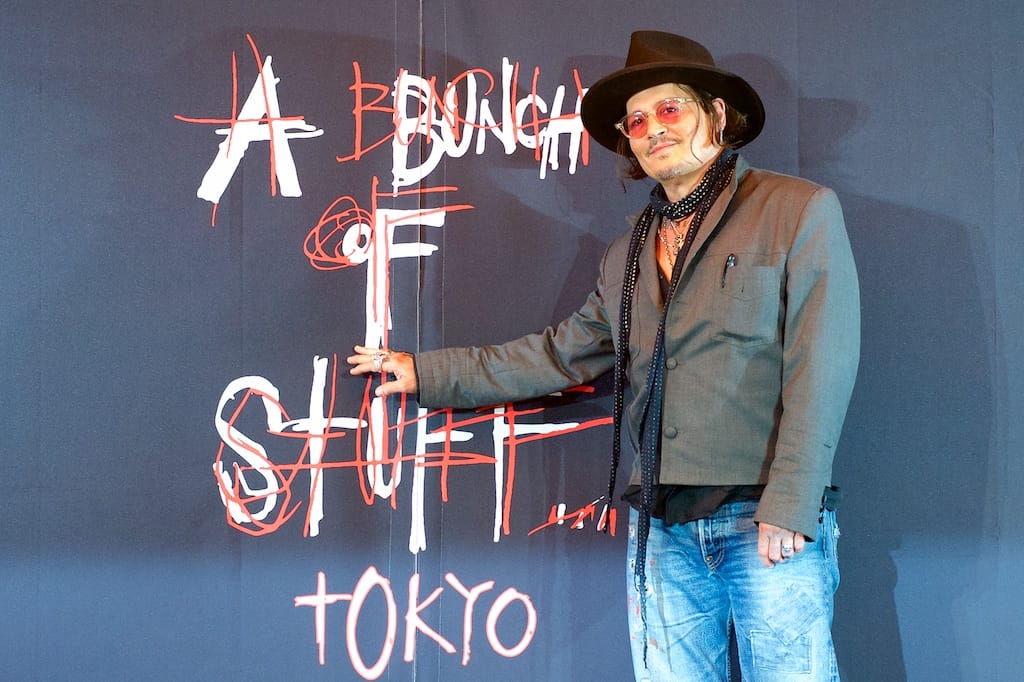
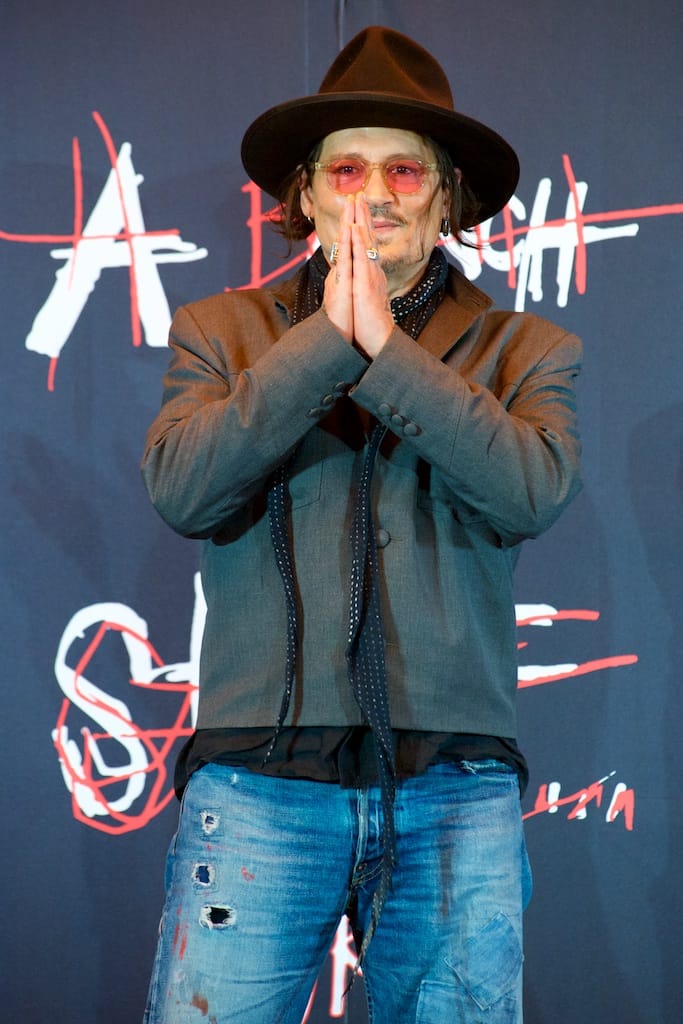
TOKYO – Eight and a half years after his last visit to Japan, Johnny Depp is back. This time, not as a Hollywood icon promoting a film nor as a touring musician, but as a visual artist opening a window into his most personal creative life.
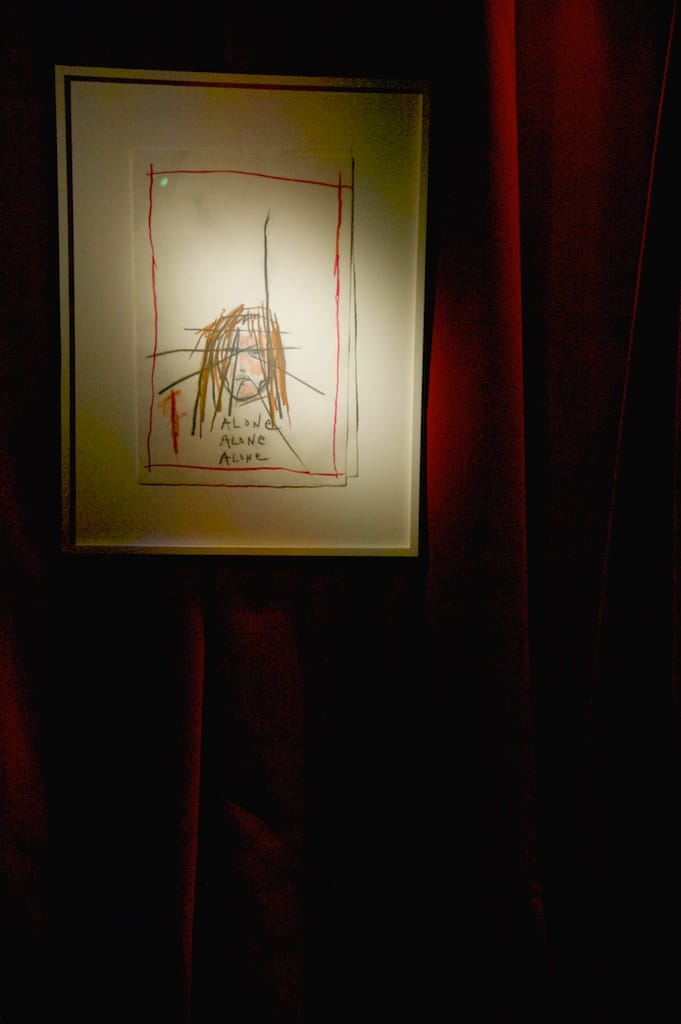
More than 100 artworks, personal belongings and studio items were shipped from the United States to Tokyo for “A Bunch of Stuff,” a large-scale immersive exhibition now open at Takanawa Gateway City NEWoMan until May 6, 2026. Paintings, sketches, handwritten notes and portraits form the experience, offering what organizers describe as a rare entry point into Depp’s private creative process.
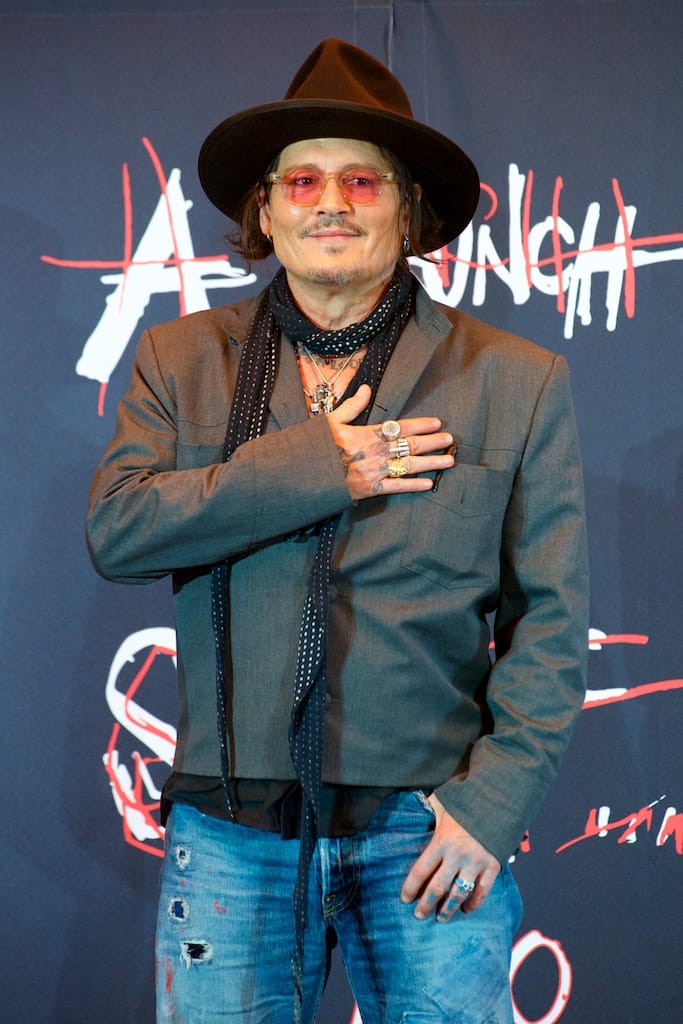
“I arrived at a place in my life where you start to realize the time of life,” the 62-year-old actor told media at a packed press conference on Nov. 27. “You look back at all the things you’ve done and go, ‘Okay, yeah, I did that.’ But there are other things I’ve done all by myself for many years.”
Painting, he said, was something he long kept hidden, finishing works only to “tuck [them] away in a garage.” Music came into his life at age nine; drawing even earlier. But sharing visual art publicly took time, hesitation and a push.
“I don’t claim to be anything other than someone who paints,” he said, smiling. “I’m not even a painter necessarily. The idea was simply allowing things that are very personal to come out in a somewhat abstract way.”
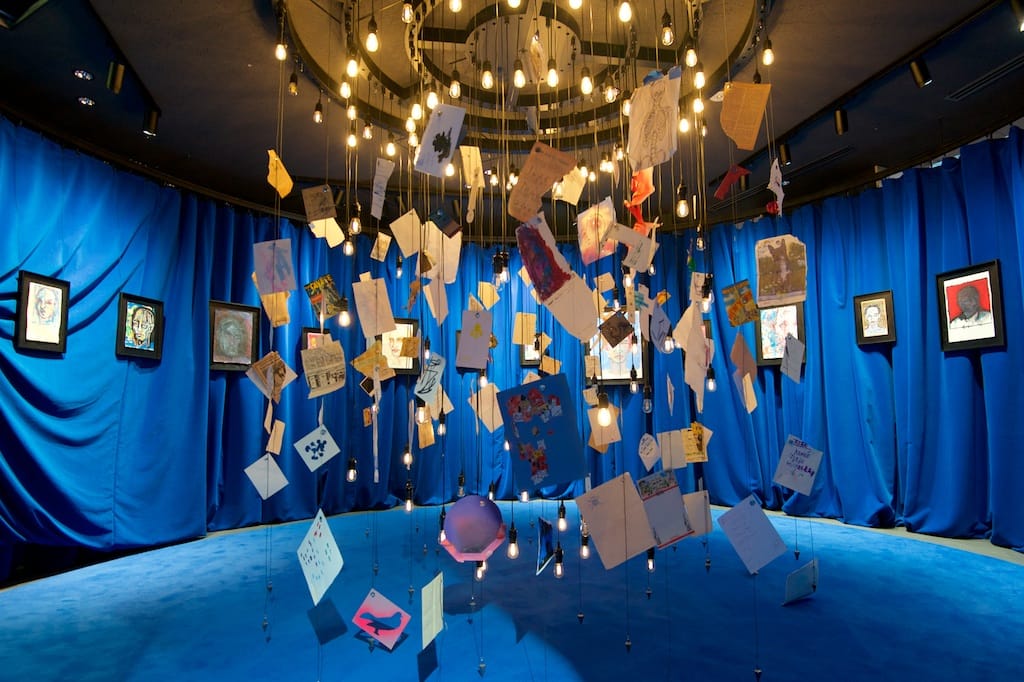
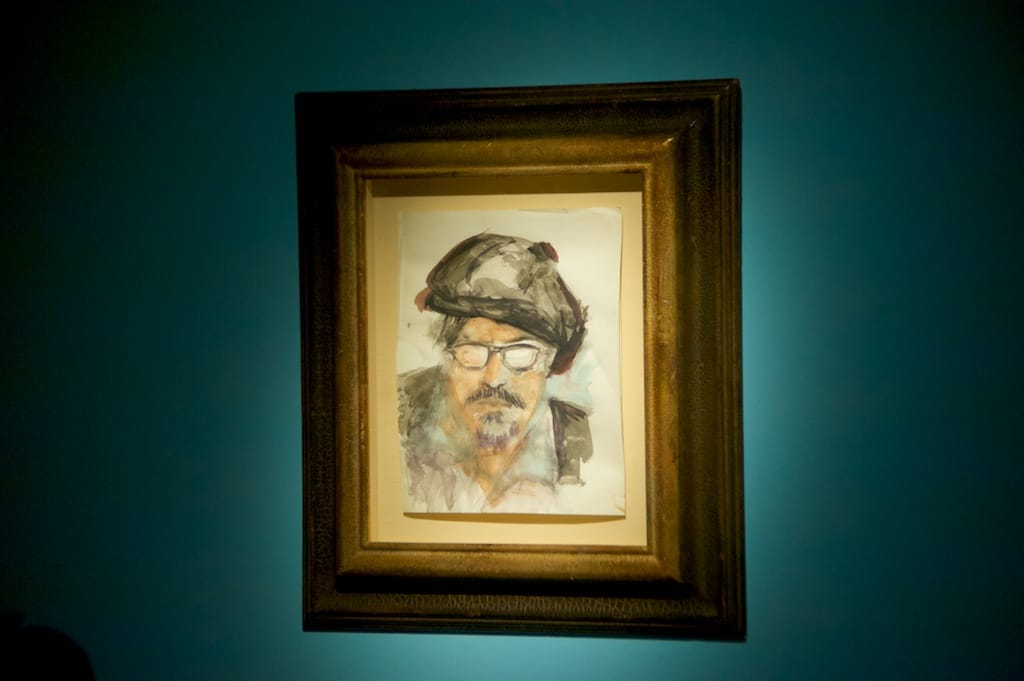
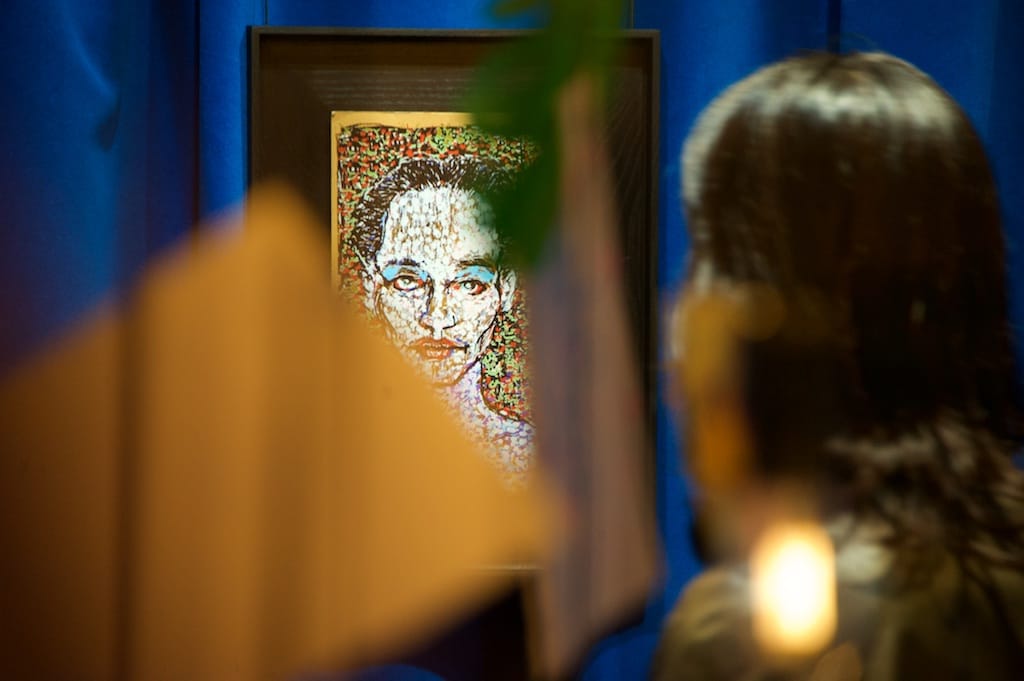
He described painting as both experiment and meditation.
“It became a great escape for the brain,” he said. “It’s freeing because no matter what it is, subconsciously or unconsciously, it’s expression. Acting is expression. Music is expression. And painting is the same. It’s a one true necessity for me. Otherwise my brain will explode.”
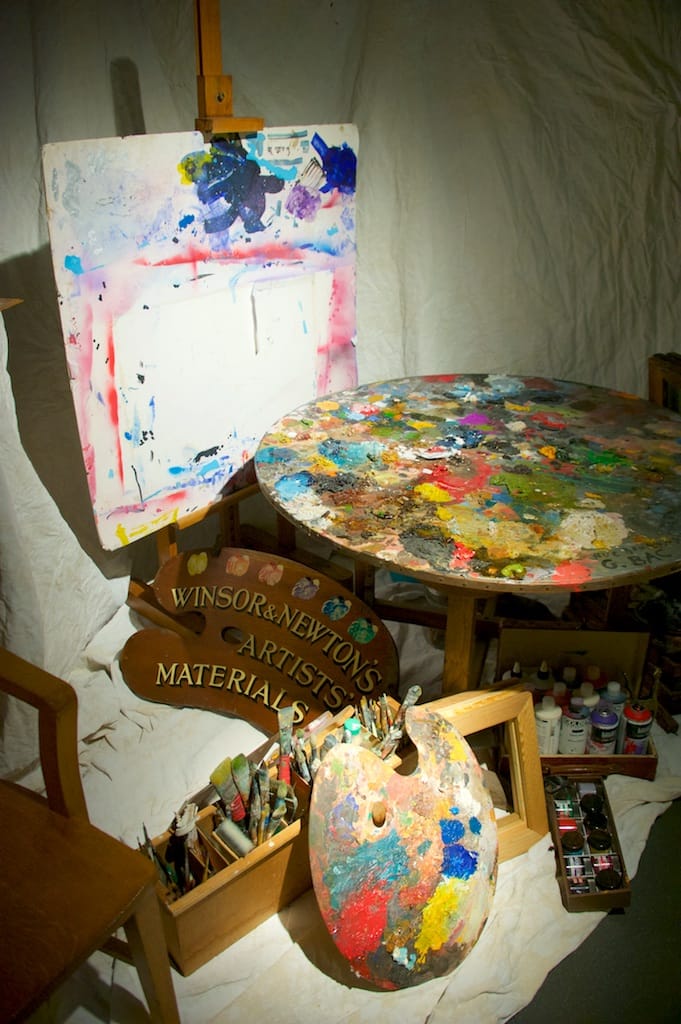
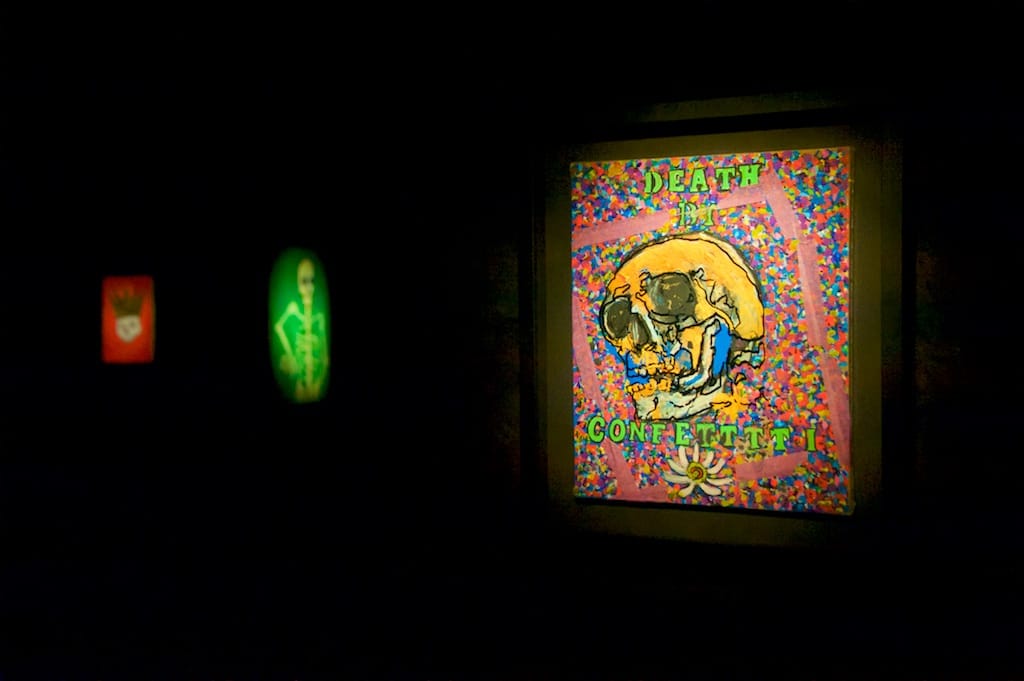
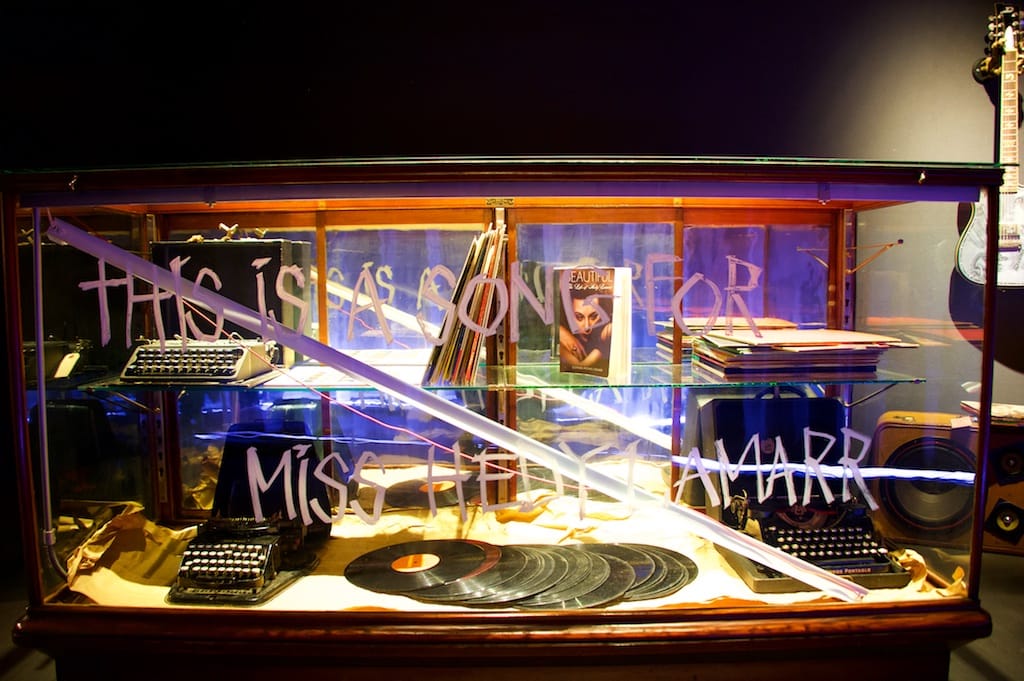
Many of his portraits depict the people who shaped him: Marlon Brando, Jean-Michel Basquiat, Patti Smith, Jack Kerouac and actress-inventor Hedy Lamarr. On Lamarr, he paused, calling her a “brilliant woman” whose wartime communications work was taken and used without credit.
“There she was, amazing and brilliant, tossed aside by a patent,” he said.

Asked why Japan became the first country outside the United States to host the exhibition, Depp said it was about honesty.
“Japan has been bursting with art for centuries,” he said. “In Tokyo, you’re guaranteed honesty. An opinion. Or loathing. People here will either feel something or not, but no one will walk through and say, ‘Yeah… it’s okay.’”
He added with a laugh, “The majority of Los Angeles forms its opinion only after talking to three or four friends and matching theirs.”
For Depp, presenting the work in Tokyo is both a challenge and a privilege.
“This is a very, very globally important place for art and artists,” he said. “I just don’t happen to be able to call myself an artist but maybe a little.”