
By Florenda Corpuz
Long before skyscrapers reshaped the Manila skyline, the Philippine capital stood behind massive stone walls overlooking Manila Bay.
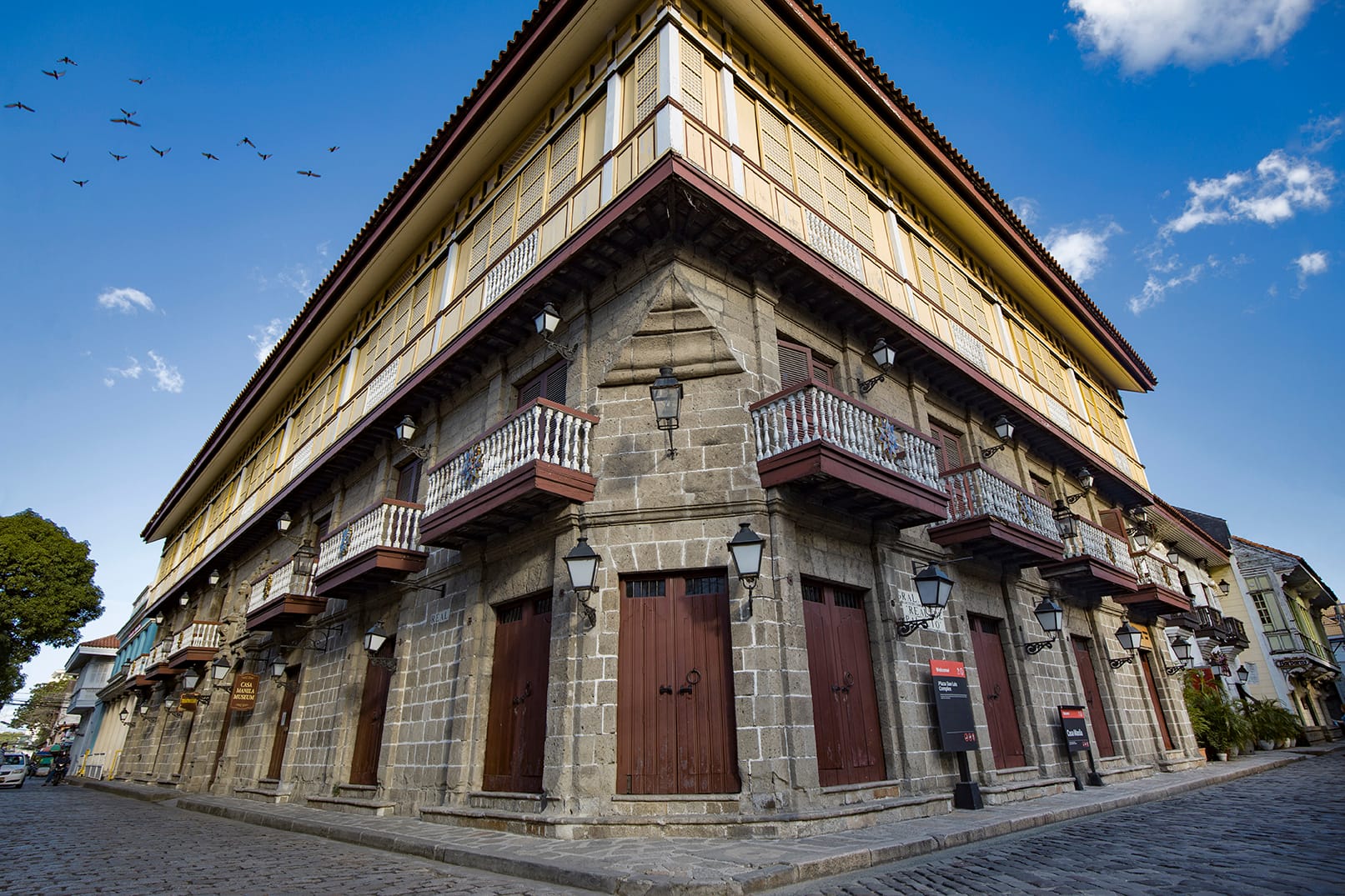
For more than three centuries, Intramuros served as the political, religious, educational and economic center of Spanish colonial power in Asia. Enclosed by walls stretching nearly 4.5 kilometers, the historic district, whose name means “within the walls,” became the heart of what was once known as the “Noble and Ever Loyal City” of Manila.
Today, after centuries of invasions, wars and destruction that nearly erased it from the map, Intramuros remains one of the Philippines’ most important cultural and historical landmarks, drawing visitors seeking a deeper understanding of Manila’s past.
For many travelers, the Walled City offers a different side of the Philippine capital, one where cobblestone streets, centuries-old churches and colonial architecture stand alongside museums, cafes and modern cultural spaces.
Walking Through Manila’s History
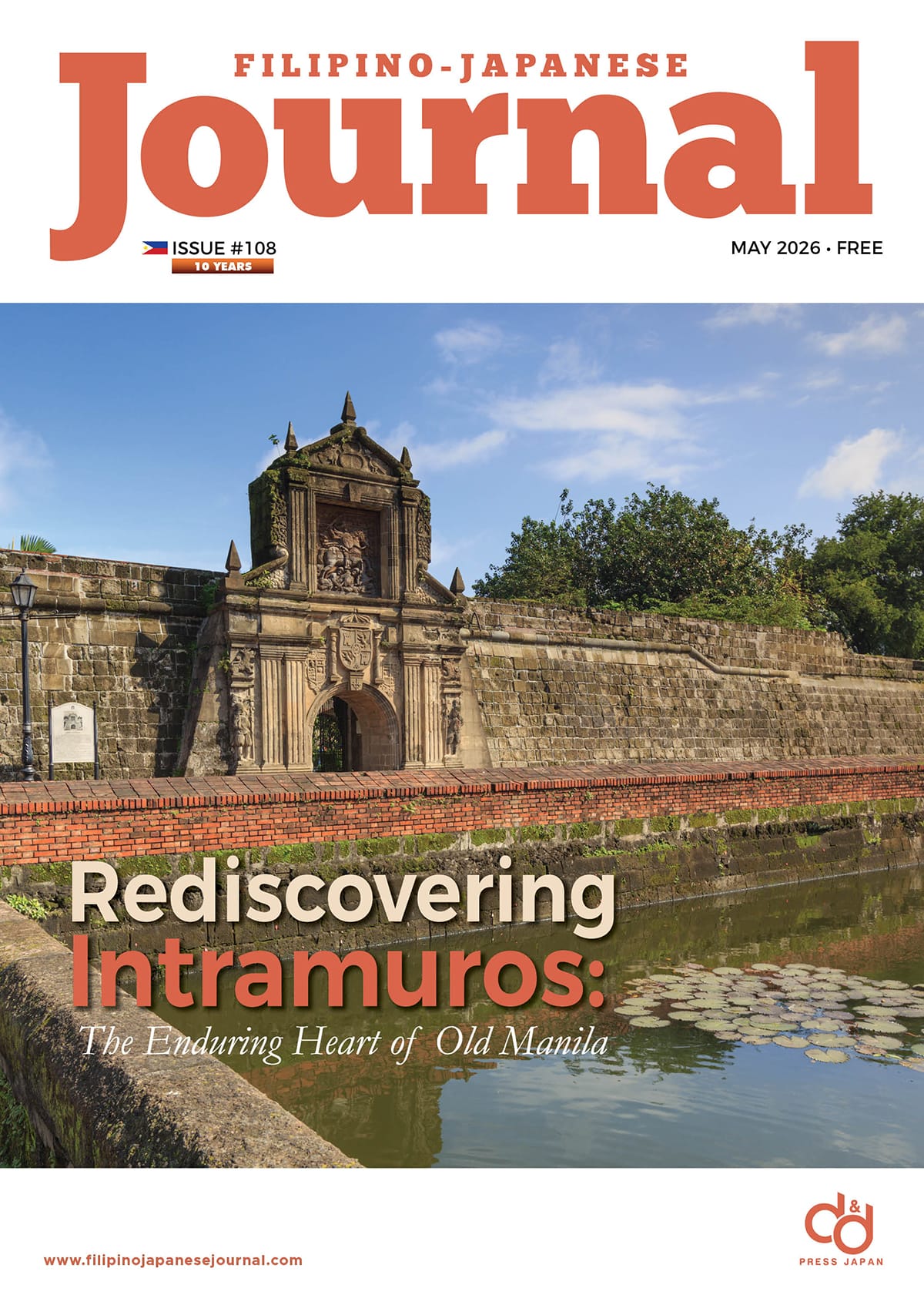
At the northern edge of Intramuros stands Fort Santiago, one of Manila’s most recognized historical sites. First established in 1571 and later rebuilt in stone during the Spanish colonial period, the fortress served at various points as a military stronghold under Spanish, British, American and Japanese control.
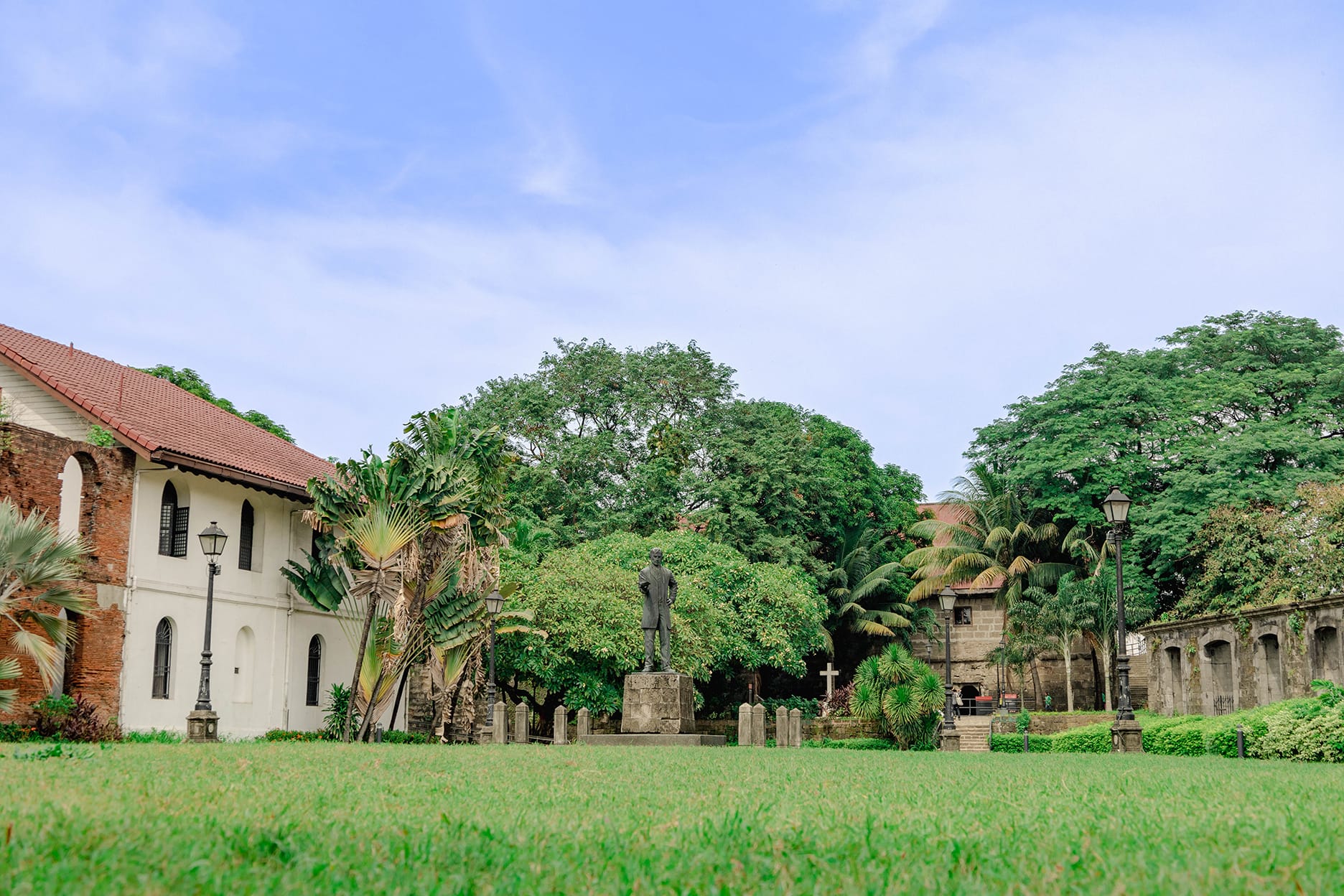
It later became a prison for political detainees during colonial rule, including Philippine national hero Jose Rizal before his execution in 1896.
Destroyed during the Battle of Manila in 1945, Fort Santiago was later restored and transformed into a public park and memorial site. Today, it remains among the capital’s most visited heritage attractions.
Nearby lies Plaza Roma, the historic civic center of Intramuros. Surrounding the plaza are several important colonial-era structures, including the Manila Cathedral, Palacio del Gobernador and the Ayuntamiento de Manila.
The Manila Cathedral, officially known as the Minor Basilica and Metropolitan Cathedral of the Immaculate Conception, occupies a central place in Philippine Catholic history as the country’s principal cathedral. The present structure was completed in 1958 after repeated destruction caused by earthquakes, fires and war.
A short walk away stands San Agustin Church, the oldest stone church in the Philippines. Completed in 1607, it survived the destruction of World War II more intact than most structures in Intramuros and was designated a UNESCO World Heritage Site in 1993 as part of the Baroque Churches of the Philippines. Inside are ornate altars, carved wood details and painted ceilings that continue to attract pilgrims, tourists and historians.
Read the full article in the May 2026 issue of the Filipino-Japanese Journal, out now in Japan.
(Photos courtesy of Department of Tourism & Intramuros Administration)